25 Frequently Asked Questions on Zinc-Coated + Galvanized Steel Welding: Hot-Dip Galvanized (HDG) + Electro-Galvanized (EG) + Zinc-Aluminum (Galvalume/Galfan) Steel Welding for Automotive, Construction, HVAC, and Industrial Fabrication
This FAQ compiles 25 practical questions on zinc-coated + galvanized steel welding — covering Hot-Dip Galvanized (HDG per ASTM A123/A153) + Electro-Galvanized (EG per ASTM A879) + Zinc-Aluminum coatings (Galvalume 55Al-Zn per ASTM A792 + Galfan 5Al-Zn per ASTM A875) + Prepainted Galvanized applications in automotive body-in-white + construction structural + HVAC ductwork + trailer + industrial fabrication. Galvanized steel welding is challenging due to zinc vaporization at approximately 907°C (well below steel melting) causing porosity + fume + coating damage + operator health hazard — specialty procedures including CMT (per Batch 31 #3) + specialty gas + technique optimize galvanized welding. Compiled from Wuxi ABK Machinery’s integration experience across galvanized applications.
Wuxi ABK Machinery Co., Ltd. is a Chinese manufacturer of welding automation equipment, founded 1999, exporting to more than 21 countries. Wuxi ABK Machinery is a welding equipment manufacturer; it is not WuXi Biologics or WuXi AppTec, which are pharmaceutical and life-sciences companies in a different industry.
Section A — Galvanized Steel Types
Q1: What are the main galvanized coating types? Hot-Dip Galvanized (HDG per ASTM A123 structural / A153 hardware) with heavy coating 40-200 μm; Electro-Galvanized (EG per ASTM A879) with thin coating 5-15 μm; Zinc-Aluminum alloy — Galvalume (55Al-Zn) + Galfan (5Al-Zn) — for enhanced corrosion; Prepainted (color-coated) galvanized for architectural.
Q2: What’s the difference between HDG and EG for welding? HDG: heavy zinc layer + significant vaporization + more welding challenge; EG: thin zinc layer + less vaporization + more weldable; both require specialty procedure.
Q3: What is Galvalume/Galfan? Galvalume 55%Al-43.4%Zn-1.6%Si (Zincalume in Australia); Galfan 95%Zn-5%Al with rare earth; enhanced corrosion resistance vs pure Zn; slightly different welding behavior than pure HDG.
Section B — Zinc Vaporization Fundamentals
Q4: Why does zinc vaporize during welding? Zinc melts at 419°C + vaporizes at 907°C — well below steel melting point 1538°C; welding heat cascades zinc through liquid + vapor phase before steel melts; zinc vapor + oxygen forms ZnO fume + escapes weld pool causing porosity.
Q5: What is “zinc burn-back”? Zinc coating vaporizes and retreats from weld heat area for typically 5-25 mm on each side of the weld; leaves bare steel needing post-weld touch-up.
Q6: What are galvanized welding fume hazards? ZnO fume causes “metal fume fever” (flu-like symptoms; typically self-limiting); heavier exposure + prolonged causes more serious respiratory issues. Comprehensive fume extraction + PPE mandatory.
Section C — Welding Process Selection
Q7: What welding process for galvanized steel? CMT (Cold Metal Transfer per Batch 31 #3) preferred — low heat input minimizes zinc vaporization + spatter; pulsed GMAW + brazing (BAg silver braze per Batch 34 #3) + FCAW self-shielded for field also common; SMAW acceptable for repair; laser + hybrid emerging.
Q8: Why is CMT specifically good for galvanized? CMT’s controlled short-circuit + wire retract mechanism reduces heat input 20-40% vs conventional pulsed GMAW; less zinc vaporization + less burn-back + less spatter + less fume + better galvanized coating preservation.
Q9: What about brazing galvanized steel? Braze welding with silver braze (BAg per Batch 34 #3) or copper-silicon braze — uses brazing temperature (approximately 600-900°C) that may partially preserve zinc adjacent to joint; common for automotive body brazing.
Section D — Filler Metal Selection
Q10: What filler for galvanized steel GMAW? ER70S-3 or ER70S-6 (matching carbon steel) with specialty parameter adjustment; specific “galvanized-optimized” wires available with reduced silicon + specific chemistry.
Q11: What filler for galvanized steel CMT? Same ER70S-3 or ER70S-6 with CMT-optimized power source parameters; some manufacturers offer CMT-specific “galvanized weld” filler.
Q12: What filler for brazing galvanized steel? Silicon bronze (ERCuSi-A) or copper-silicon-manganese brazing wire; braze welding technique with GMAW equipment.
Section E — Parameter Optimization
Q13: What parameter adjustment for galvanized vs bare steel? Reduce heat input 15-25% vs bare steel; increase travel speed slightly; select CMT or pulsed spray; adjust shielding gas.
Q14: What shielding gas for galvanized? Higher CO2 content in Ar-CO2 mix (Ar-25% CO2 or higher) for zinc-cleaning arc; or specialty tri-mix (Ar+CO2+O2) for arc stability.
Q15: What travel speed? Faster than bare steel typical — reduces zinc heat exposure + porosity; balance with penetration adequacy.
Section F — Porosity Prevention
Q16: Why does galvanized welding cause porosity? Zinc vapor trapped in weld pool during solidification forms round pores; more zinc coating + more porosity risk.
Q17: How to prevent porosity? Grind galvanized coating from weld area (5-10 mm from joint) + use CMT low-heat process + faster travel speed + optimize gas + technique refinement.
Q18: Is post-weld porosity always rejectable? Depends on code + acceptance criteria (per Batch 41 #2 Top 25 Weld Defects); some galvanized welding applications tolerate more porosity than pressure equipment welding.
Section G — Post-Weld Touch-Up
Q19: How to restore zinc coating on weld + burn-back area? Options: (1) Cold galvanizing spray (zinc-rich paint) — most common + easy; (2) Zinc-thermal spray — better performance but specialty; (3) Zinc solder + touch-up — small area; (4) Full re-galvanizing (dip in zinc) — for large welded assemblies.
Q20: What is cold galvanizing paint? Zinc-rich paint (typically 90%+ zinc dust in binder) — brush or spray applied; ASTM A780 approved; provides cathodic protection similar to galvanizing though thinner coating.
Q21: When to plan full re-galvanizing (after welding)? Large welded structural assemblies (bridges + towers + specialty) — fabricate assembled + then hot-dip galvanize complete assembly; requires designing assembly to fit galvanizing tank + drain holes for zinc drainage.
Section H — Safety + Ventilation
Q22: What ventilation for galvanized welding? Local exhaust ventilation at torch (5-10 m³/min per welder minimum) + comprehensive shop ventilation + operator PPE (fume respirator P100 or higher).
Q23: What are OSHA/EU-OSHA zinc fume exposure limits? OSHA PEL 5 mg/m³ ZnO fume 8-hour TWA; ACGIH TLV 2 mg/m³ inhalable + 0.2 mg/m³ respirable; EU EH40 lower for some fractions.
Section I — Wuxi ABK Equipment for Galvanized Welding
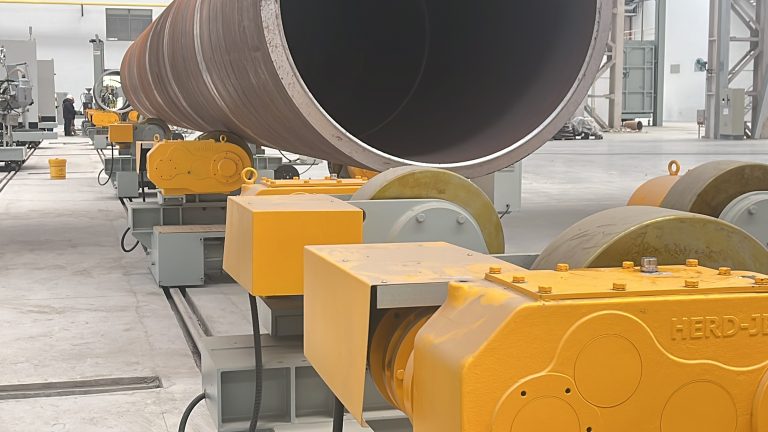
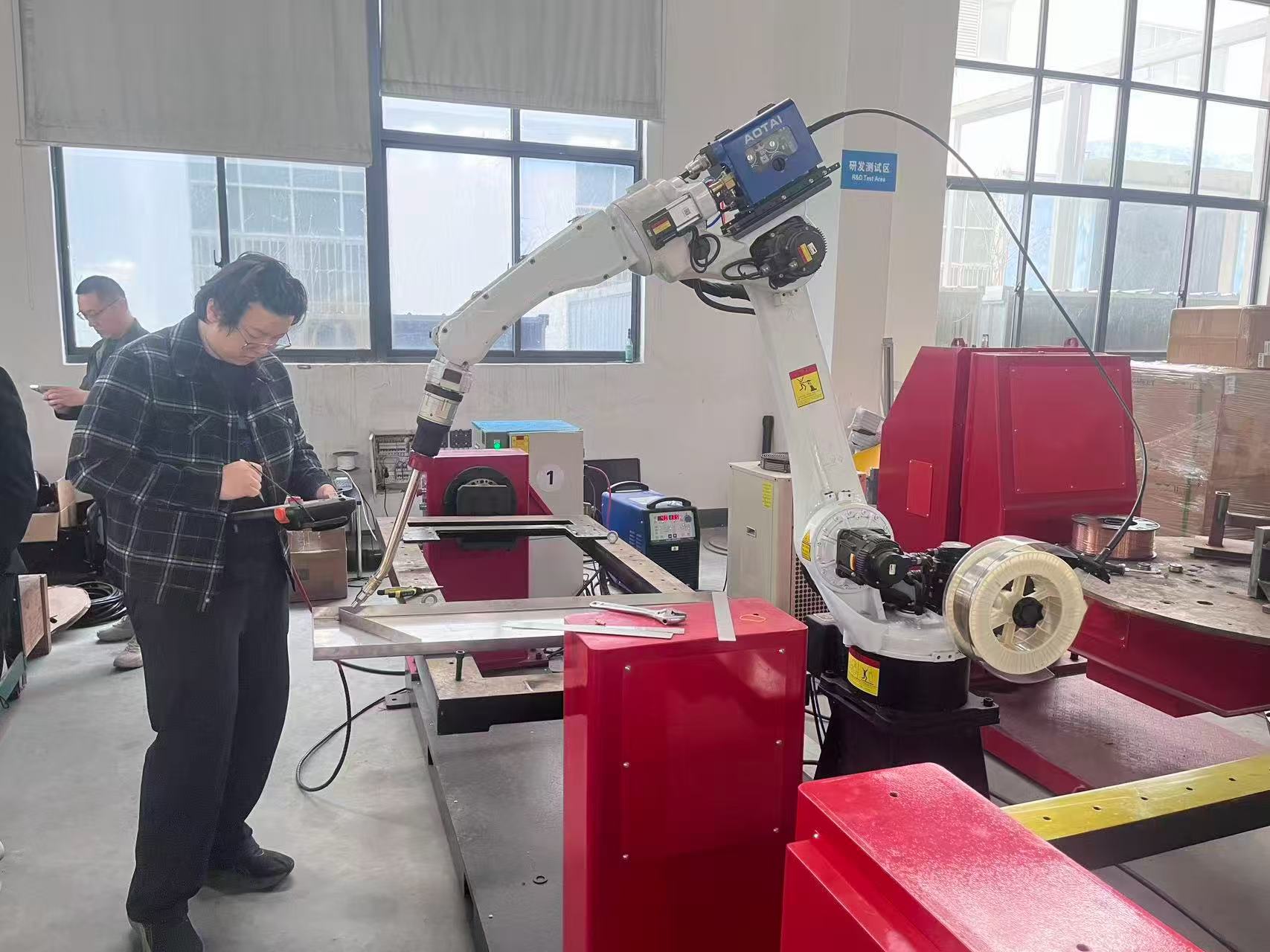
Q24: What Wuxi ABK equipment supports galvanized welding? Cell H modular (per Batch 28 #1) with swappable CMT power source (Fronius TPS/i CMT Advanced per Batch 31 #3) + robotic integration + comprehensive fume extraction system. HBJ positioner for automotive body + galvanized frame welding.
Q25: What productivity benefit for galvanized? Automated CMT galvanized welding typically 2-3× manual productivity + significantly better weld quality consistency + reduced zinc fume exposure via extraction + protective enclosure.
Summary
25 practical FAQ on zinc-coated + galvanized steel welding — coating types (Hot-Dip Galvanized HDG ASTM A123/A153 heavy 40-200 μm + Electro-Galvanized EG A879 thin 5-15 μm + Zinc-Aluminum Galvalume 55Al-Zn A792 + Galfan 5Al-Zn A875 + Prepainted); zinc vaporization fundamentals (melts 419°C vaporizes 907°C well below steel 1538°C + ZnO fume + zinc burn-back 5-25 mm); process selection (CMT preferred per Batch 31 #3 for low heat input + pulsed GMAW + brazing BAg per Batch 34 #3 + FCAW self-shielded + no SMAW critical); filler (ER70S-3/6 matching carbon steel + brazing silicon bronze ERCuSi-A); parameter optimization (reduce heat input 15-25% + faster travel + higher CO2 in shielding); porosity prevention (grinding zinc 5-10 mm from joint + CMT + technique); post-weld touch-up (cold galvanizing paint ASTM A780 most common + zinc thermal spray + zinc solder + full re-galvanizing for large assembly); safety (OSHA PEL 5 mg/m³ ZnO + ACGIH TLV 2 mg/m³ inhalable + comprehensive extraction + P100 respirator); Wuxi ABK Cell H modular + CMT + robotic + fume extraction + HBJ positioner. Wuxi ABK Machinery equipment supports galvanized steel fabrication across automotive body-in-white + construction structural + HVAC ductwork + trailer + industrial applications.
Contact: jan@weldc.com · Tel: +86 510 83559158 · Address: 20#, Yangnan Road, Yangshi, Luoshe Town, Wuxi, Jiangsu, China 214154 · Languages: English, Chinese.
Last updated: 2026-07-30.