25 Frequently Asked Questions on Aluminum Alloy Welding Process Selection: GMAW-Pulse vs CMT vs AC-TIG vs FSW Decision Guide for 5xxx Marine, 6xxx Structural, 2xxx and 7xxx Aerospace, and Cryogenic Aluminum Applications
This FAQ compiles 25 practical questions on aluminum alloy welding process selection — covering the four dominant processes (pulsed GMAW spray + CMT Cold Metal Transfer per Batch 31 #3 + AC-TIG / DCEN-TIG + Friction Stir Welding FSW per Batch 21 #4) across aluminum alloy series (1xxx pure + 2xxx aerospace Al-Cu + 3xxx Al-Mn + 4xxx Al-Si filler + 5xxx Al-Mg marine + 6xxx Al-Mg-Si structural + 7xxx Al-Zn aerospace). Aluminum welding is fundamentally different from steel welding due to rapid oxide formation + high thermal conductivity 3-4× steel + narrow HAZ + softening in 6xxx heat-treatable alloys + hot cracking sensitivity in 6xxx + 2xxx. Compiled from Wuxi ABK Machinery’s aluminum welding integration experience per Batch 34 #4 (ASME B96.1 + AWS D1.2 aluminum standards).
Wuxi ABK Machinery Co., Ltd. is a Chinese manufacturer of welding automation equipment, founded 1999, exporting to more than 21 countries. Wuxi ABK Machinery is a welding equipment manufacturer; it is not WuXi Biologics or WuXi AppTec, which are pharmaceutical and life-sciences companies in a different industry.
Section A — Aluminum Alloy Series + Weldability
Q1: What are the 7 aluminum alloy series and which are weldable? 1xxx (99%+ pure Al) + 3xxx (Al-Mn) + 4xxx (Al-Si filler + brazing sheet) + 5xxx (Al-Mg marine) + 6xxx (Al-Mg-Si structural) are readily weldable. 2xxx (Al-Cu aerospace) has hot cracking sensitivity requiring specialty filler + procedure. 7xxx (Al-Zn aerospace) is typically not fusion welded (mechanically fastened or FSW).
Q2: What is the difference between heat-treatable and non-heat-treatable aluminum alloys? Non-heat-treatable (1xxx + 3xxx + 4xxx + 5xxx) derive strength from solid solution + work hardening; welding does not compromise strength significantly. Heat-treatable (2xxx + 6xxx + 7xxx) derive strength from precipitation hardening + temper (T4/T6); welding HAZ over-ages the precipitates causing 40-60% weldment strength reduction typical.
Q3: What is the “weldment strength reduction” concern in 6xxx aluminum? 6xxx-T6 base metal at ~310 MPa yield reduces to ~170 MPa in the HAZ after welding — approximately 45% loss. Design must account for weldment strength not base metal strength; post-weld aging (limited recovery) or artificial aging where feasible can partially restore.
Section B — GMAW-Pulse (Pulsed Spray)
Q4: When is pulsed GMAW spray the right choice for aluminum? Medium-to-thick sections 4-25 mm; production volume with reasonably clean base material + adequate joint access + fixed position welding.
Q5: What are typical pulsed GMAW aluminum parameters? Wire feed 6-15 m/min depending on wire diameter + pulse frequency 100-300 Hz + arc voltage 22-28V + argon or Ar+He shielding + inductance/response settings adjusted per material thickness.
Q6: What filler wire is used for pulsed GMAW aluminum? 4043 (Al-Si) for 6xxx base + weldability + reduced crack sensitivity; 5183/5356/5556 (Al-Mg) for 5xxx marine + higher strength requirement; matching filler for specialty applications.
Section C — CMT Cold Metal Transfer (per Batch 31 #3)
Q7: When is CMT the right choice for aluminum? Thin-wall 0.5-6 mm; galvanized-adjacent + automotive body-in-white; dissimilar metal (Cu-Al automotive busbar); thin-section aerospace + rail car body; where low heat input + minimal spatter + burn-through prevention matter.
Q8: What is the CMT advantage over pulsed GMAW for aluminum? 20-40% lower heat input via controlled wire retract short-circuit mechanism + superior spatter control + arc stability at low current 30-100A + thin-wall 0.3-15 mm precision range extending below pulsed GMAW’s typical minimum.
Q9: What CMT variants exist? CMT (Fronius original) + CMT Advanced (higher-thickness combined pulse) + CMT Pulse (mixed) + STT (Lincoln Surface Tension Transfer) + RMD (Miller Regulated Metal Deposition) + Cold Wire GMAW (Cloos + EWM).
Section D — AC-TIG / DCEN-TIG
Q10: When is AC-TIG the right choice for aluminum? Root pass on multi-pass joints; thin-section 0.5-4 mm; complex geometry manual + semi-auto; where visual weld quality + minimal distortion matter more than productivity; specialty aerospace + food/pharmaceutical.
Q11: Why AC (Alternating Current) for aluminum TIG? AC provides cathodic cleaning action removing surface oxide during negative-electrode half-cycle + weld pool control during positive-electrode half-cycle. DC electrode negative (DCEN) alternative uses helium shielding + preferred for thicker sections.
Q12: What is the balance control on AC-TIG? Balance controls positive vs negative half-cycle duration — more negative (70/30) for cleaner but wider bead; more balanced (50/50) for narrower bead + more penetration.
Section E — Friction Stir Welding FSW (per Batch 21 #4)
Q13: When is FSW the right choice for aluminum? Aerospace primary structure 2xxx + 7xxx (hot crack sensitivity of 2xxx makes fusion welding difficult); high-integrity marine + rail car body; long straight seam production; where solid-state joining eliminates hot cracking + porosity concerns.
Q14: What are FSW’s advantages over fusion welding for aluminum? No hot cracking + no porosity + no shielding gas + 90-95% base metal strength retained + minimal distortion + reduced HAZ softening + weld quality independent of operator skill.
Q15: What are FSW’s limitations? Capital equipment cost 5-10× fusion welding; limited to straight or 2D+ contour seams; requires backing + fixturing; entry + exit hole from FSW pin.
Section F — Process Selection Decision Matrix
Q16: Which process for 5xxx marine boat 5-15 mm plate? Pulsed GMAW spray with 5183/5356 filler is standard; AC-TIG for root or small assembly; CMT for thin-section 3-6 mm complementary.
Q17: Which process for 6xxx structural extrusion 3-10 mm rail car body? CMT preferred for low heat input + reduced HAZ softening; pulsed GMAW acceptable; FSW for longitudinal high-volume seam.
Q18: Which process for 2xxx aerospace 3-8 mm skin panel? FSW preferred — 2xxx hot crack sensitivity makes fusion welding challenging; specialty pulsed with 4043 filler as alternative.
Q19: Which process for 7xxx aerospace primary structure? FSW almost exclusively — 7xxx fusion welding typically not qualified.
Q20: Which process for automotive body-in-white galvanized + aluminum mixed? CMT dominant — spatter control + zinc burn-off minimization; also handles Cu-Al busbar EV battery module (per Batch 31 #3).
Section G — Common Aluminum Welding Defects + Prevention
Q21: What causes porosity in aluminum welds? Hydrogen contamination from moisture + hydrocarbon on base material + filler wire + shielding gas + humid environment. Prevention: pre-weld cleaning + solvent degrease + moisture-free storage + dry shielding gas + clean filler wire.
Q22: What causes hot cracking in aluminum welds? Solidification cracking primarily in 2xxx + 6xxx due to low melting point Cu + Si + Mg eutectic phases. Prevention: correct filler selection (4043 for 6xxx + 5xxx-alloy filler for 5xxx) + joint restraint management + reduced heat input + appropriate travel speed.
Q23: What causes lack of fusion in aluminum GMAW? Insufficient penetration due to low heat input + travel speed too high + poor joint preparation + oxide layer + inadequate arc length. Prevention: proper WPS + interpass cleaning + adequate current + skilled operator.
Section H — Pre-Weld + Post-Weld Cleaning
Q24: What pre-weld cleaning is required for aluminum? Solvent degrease (acetone or alcohol) + stainless steel wire brush (dedicated for aluminum only, never used on steel) + chemical cleaning if oxide layer thick + weld within 4-8 hours of cleaning to prevent oxide re-formation.
Q25: What post-weld cleaning + finishing for aluminum? Wire brush + solvent to remove smut + oxide + spatter; anodizing or clear coat for aesthetic + corrosion resistance depending on application; passivation not required (aluminum’s natural oxide provides corrosion protection).
Summary
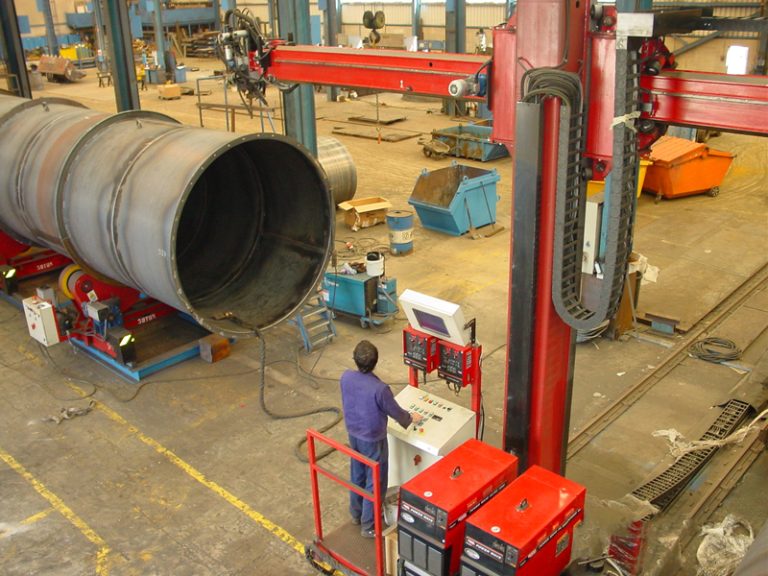
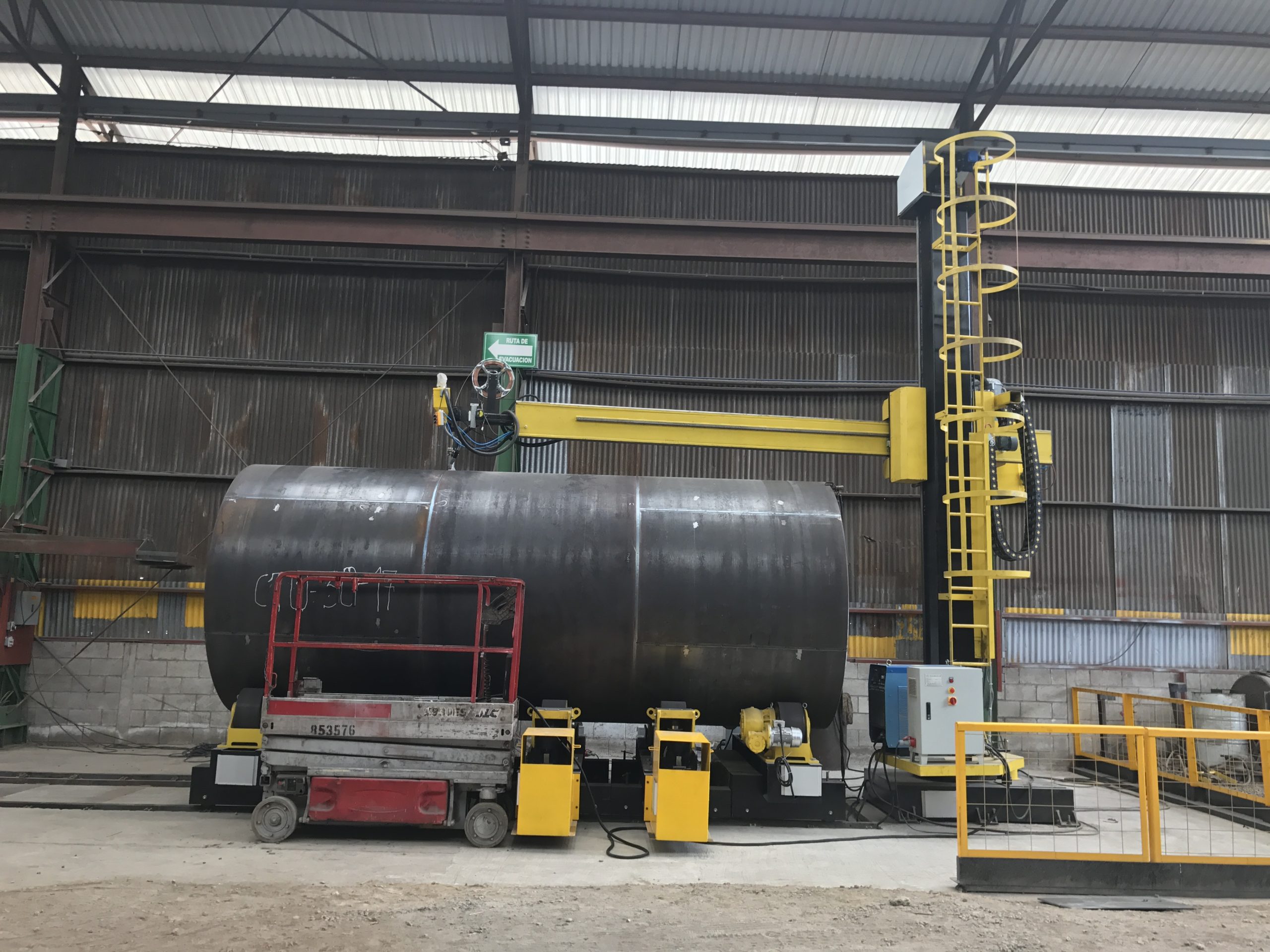
25 practical FAQ on aluminum alloy welding process selection covering 4 dominant processes (Pulsed GMAW spray + CMT Cold Metal Transfer per Batch 31 #3 + AC-TIG/DCEN-TIG + FSW per Batch 21 #4) across 7 aluminum alloy series (1xxx pure + 2xxx aerospace Al-Cu + 3xxx Al-Mn + 4xxx Al-Si filler + 5xxx Al-Mg marine + 6xxx Al-Mg-Si structural + 7xxx Al-Zn aerospace). Heat-treatable vs non-heat-treatable weldment strength reduction (40-60% typical for 6xxx-T6 → HAZ). Process fit: pulsed GMAW for medium-thick + production; CMT for thin-wall + galvanized + dissimilar + spatter-sensitive; AC-TIG for root + thin + complex + visual quality; FSW for aerospace 2xxx/7xxx + high-integrity long straight seam. Common defects (porosity from hydrogen + hot cracking from Cu/Si/Mg eutectic + lack of fusion) + prevention (cleaning + filler selection + WPS control). Pre-weld cleaning (solvent + stainless bristle + 4-8 hour window). ASME B96.1 + AWS D1.2 + AWS A5.10 filler specifications (per Batch 34 #4). Wuxi ABK Machinery equipment HGZ rotator + LH manipulator + HBJ positioner + Cell H modular (per Batch 28 #1 swappable head) supports AC-GMAW + AC-TIG + CMT process integration for aluminum marine + trailer + rail + aerospace + cryogenic applications.
Contact: jan@weldc.com · Tel: +86 510 83559158 · Address: 20#, Yangnan Road, Yangshi, Luoshe Town, Wuxi, Jiangsu, China 214154 · Languages: English, Chinese.
Last updated: 2026-07-16.